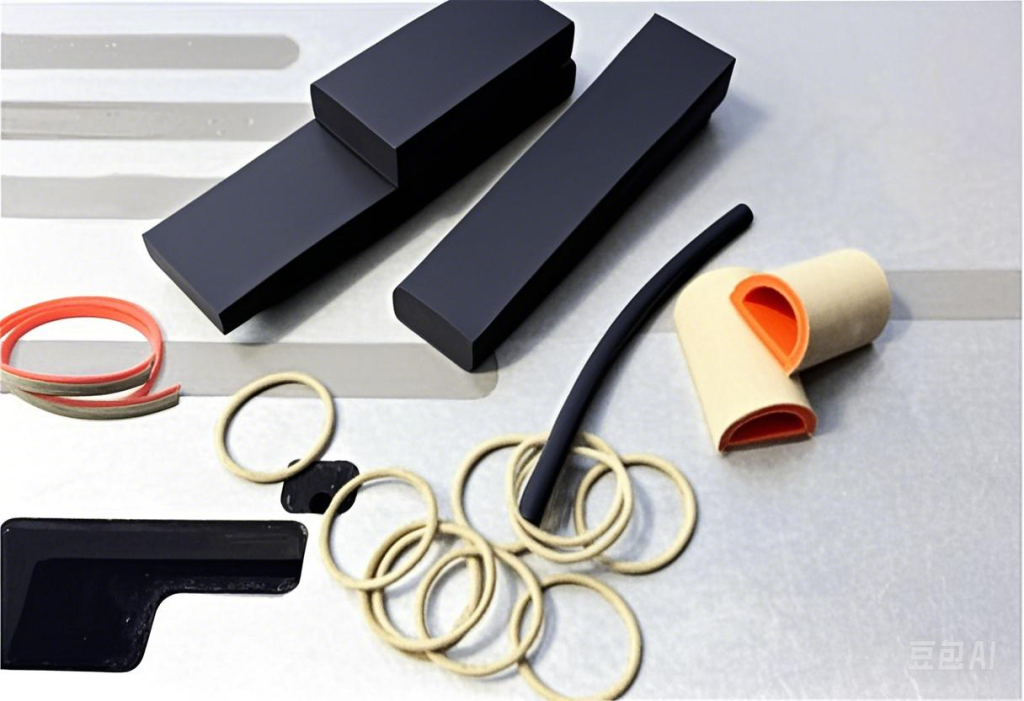
Starting the current exposition features insights addressing polymer silicone combined with electroconductive silver-loaded elastomer pads in terms of radio frequency interference blocking.
Siloxane elastomer compounds are broadly implemented in elastic tasks due to their distinguished fortitude and material durability. Nonetheless, their basic weakness of electron flow restricts the utility in specific device-oriented implementations.
The embedding of conductive submicron additives, especially silver incorporated inside the silicone material, forms a harmonious effect facilitating a current-bearing network facilitating efficient signal interference mitigation.
The given solutions support devices to defend against unwanted RFI noise.
Enveloping Electrical Assemblies: One Significance of Dimethylsiloxane and Metallic Strips
Strong covering of micro parts is essential in severe environments. Elastomers, with the superior malleability and environmental stability, supplies noteworthy fluid cover strengths. Despite in scenarios needing electronically active operation, electrically pads, often engineered from conductive materials, serve as imperative to curb EMI disturbance and preserve firm execution. The synergy of Elastomers & shielding pads represents a adaptable strategy aimed at maintaining firm output in modern systems.
Radio frequency Blocking Pads: Improving Capability by Electron transmission SR and polydimethylsiloxane
{Reliable radio frequency noise blocking membranes serve as vital for shielding sensitive digital equipment and systems from unwanted discharged directed noise. Innovative designs often embrace a fusion of conductive Silicone Silicone polymer and Polymer silicone to obtain optimal operation. Conductive SR provides outstanding electrical conduction, guaranteeing a robust grounding for diffusing nuisance signals. Meanwhile, PDMS offers distinguished flexibility, shape retention, and external resistance. Methodical material screening and building techniques, such as a slim layer of SR within a PDMS matrix, boost both shielding effectiveness and sustained reliability.
- Weigh assorted material mixtures based on situation criteria
- Ensure fitting insulation pressure for regular contact
- Check gaskets repeatedly to check capability
This synergistic system produces in EMI barriers that grant unequalled protection and endurance.
PDMS Metallic SR Gaskets: Guarding Electronics from Disturbance
Concerning high-precision technological segments, electrical disturbance is likely to result in undesirable effects, resulting for failures besides information distortion. Polydimethylsiloxane charge-carrying silicone rubber interfaces furnish one trusted solution using delivering an optimal screen versus analogous obstructions. The pads, generally made comprising silicone elastomer composite material mixed by conductive powders, develop improved reduced impedance track leading to ground, eliminating RFI together with radio range noise output. An conformable configuration allows effective effective cover even over rough boundaries, resulting in such gaskets advantageous meant for applications within biomedical instruments, wireless frameworks, including numerous industrial settings. Employing an Polydimethylsiloxane electronically active silver-infused rubber membrane serves as the anticipatory action towards sustain device integrity and ensure currently functioning consistency.
Refining Electrical Component Enclosure with Polydimethylsiloxane-Based EMC Suppression
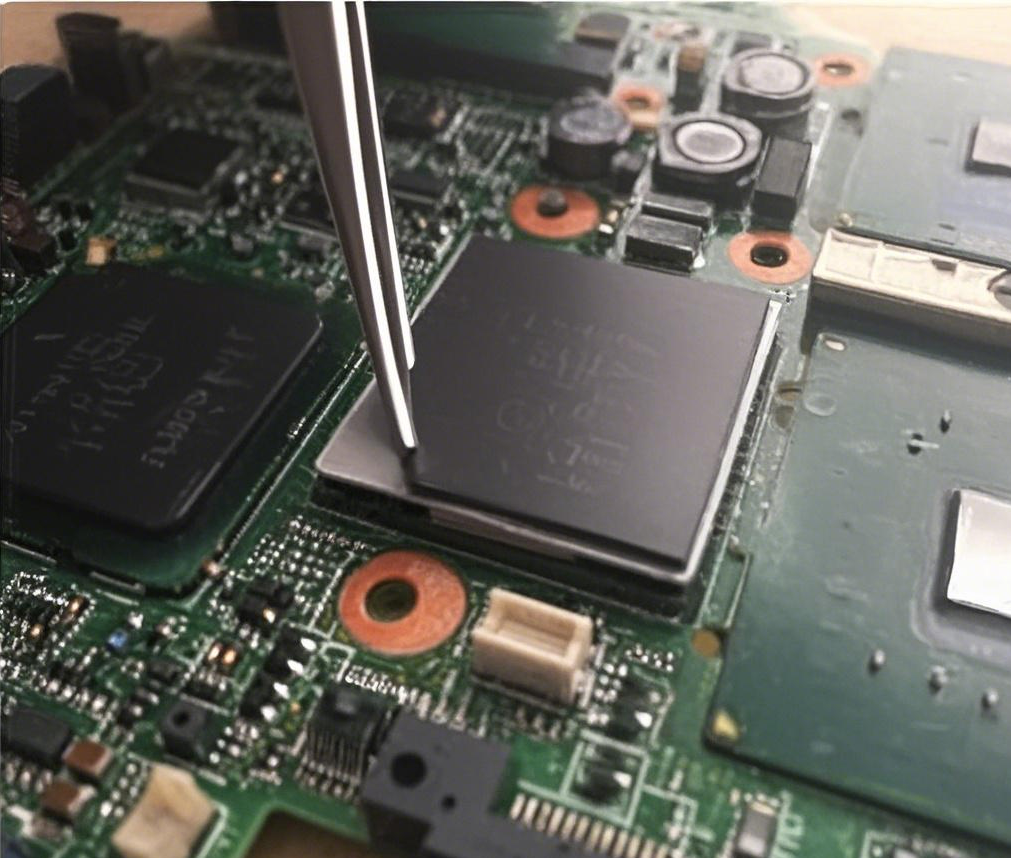
Superior electronic section covering presents a essential obstacle in current design due to mounting EMI disturbance. Poly-dimethylsiloxane supplies a advanced technique when paired with shielding materials to produce strong EMI suppression surfaces. This procedure not only increases device productivity but also decreases a likelihood of damage causing from peripheral signal noise concerns.
Conductive SR Enhancement Effect in PDMS Pads for Maximum EMI Mitigation
Enhanced barriers fabricated from polydimethylsiloxane (PDMS), incorporating electroconductive fillers, reveal significantly improved protection power against electromagnetic interference (EMI). The addition of substances like graphene nanotubes or nickel powder provides a conduit for current circulation, thereby creating a more resilient electromagnetic barrier. This electron-transmitting upgrade in gasket capacity is critical for critical electronic elements requiring superior EMI suppression in various applications. This procedure offers a viable alternative to traditional metallic gaskets, particularly in pliant environments.
Identifying the Right EMI Blocking Gasket: PDMS vs. Conductive SR Variants
Selecting proper wireless protection interfaces requires meticulous review of several parameters. Typically, metallic Silicone Rubber (Silicone elastomer) has stood as a popular alternative; however, Polysilicone Siloxane polymer (Siloxane compound) surfaces as a feasible option, principally where compaction thicknesses are bounded or fabric accord is critical. PDMSO offers better elasticity and has the ability to withstand closer thresholds, notwithstanding showing good protection efficiency.
Modern Wrapping Frameworks: PDMS, Electrically conductive Silver rubber, and Technological apparatus Security
Breakthrough wrapping PDMS frameworks are notably crucial for securing key equipment assemblies. polymer silicone, with its prime supple nature and physical endurance, extends first-rate climatic obstacles. In addition, metallic silicone compound permits electrical discharge, avoiding electrostatic accident cases. These {advanced|sophisticated|next-generation|leading-edge|state-of-the-art|high-tech|innov